
Is That Red Light Taking Forever to Change? You Might Be the Cause of It
Most of us spend a fair amount of time staring at traffic lights, especially here in Maine, where a “quick drive” can still mean hitting every red through town. I’ve heard all kinds of people complain that a light is broken, rigged, or watching them. The truth, though, is much less dramatic and a lot more interesting.
How Traffic Lights Work
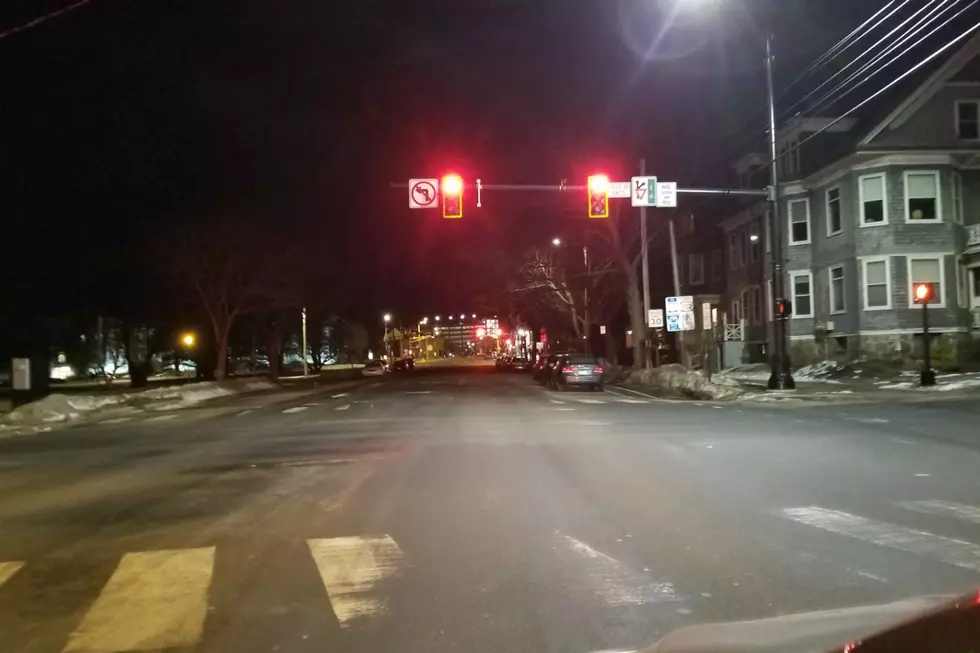
Traffic lights work on a mix of timing and detection. At some intersections, especially the busy ones, the signals operate on a fixed schedule. The light will change no matter who’s there, cycling through green, yellow, and red based on traffic patterns studied ahead of time. Depending on where you are in the state, you never really know what mode a traffic light is in until it does its thing, and this method is becoming less common.
More modern traffic lights use vehicle detectors to decide when it’s time to switch. Those detectors are usually either wires buried in the pavement or sensors mounted above the road.
The wires, called inductive loops, sense metal. When your car rolls over one, it tells the signal controller that a vehicle is waiting. Cameras and radar sensors do the same job from above, spotting vehicles in specific lanes and even tracking how long they’ve been sitting there.
Why Does a Red Light Sometimes Refuse to Turn Green?

So why does a red light sometimes refuse to turn green? Often it’s because the detector isn’t being triggered.
Motorcycles and smaller vehicles can be too light or too narrow to set off pavement loops. Stopping too far back from the stop bar line or on the stop bar can also keep you outside the camera detection zone. The same goes for stopping on a crosswalk. You may not get a green light until someone triggers it behind you.
Truth or Myth?

One of the biggest misconceptions involving traffic cameras in many places, including much of New England, is that the "cameras at intersections are there to issue tickets." That is not the case.
They’re used to detect vehicles, monitor traffic flow, or allow traffic engineers to review how an intersection is functioning. They’re not secretly recording your plate because you tapped the brakes too late.
Traffic lights aren’t out to get you. They’re doing their best to balance safety and efficiency, even if it doesn’t always feel that way when you’re stuck at a red with no cross traffic in sight.
The Traffic Light Doctor posts very informative videos about traffic lights and lays this all out much better than I can, because that's the job that he has been doing for quite some time now: Keeping traffic flowing safely.
25 of the Most Underrated Seafood Places in Maine
Gallery Credit: Lori Voornas
The 25 Intersections in Maine That Had The Most Crashes in 2024
Gallery Credit: Jeff Parsons
More From